- 0
- 716 words
Smartphone Prices Are Rising in Kenya – What’s Happening?
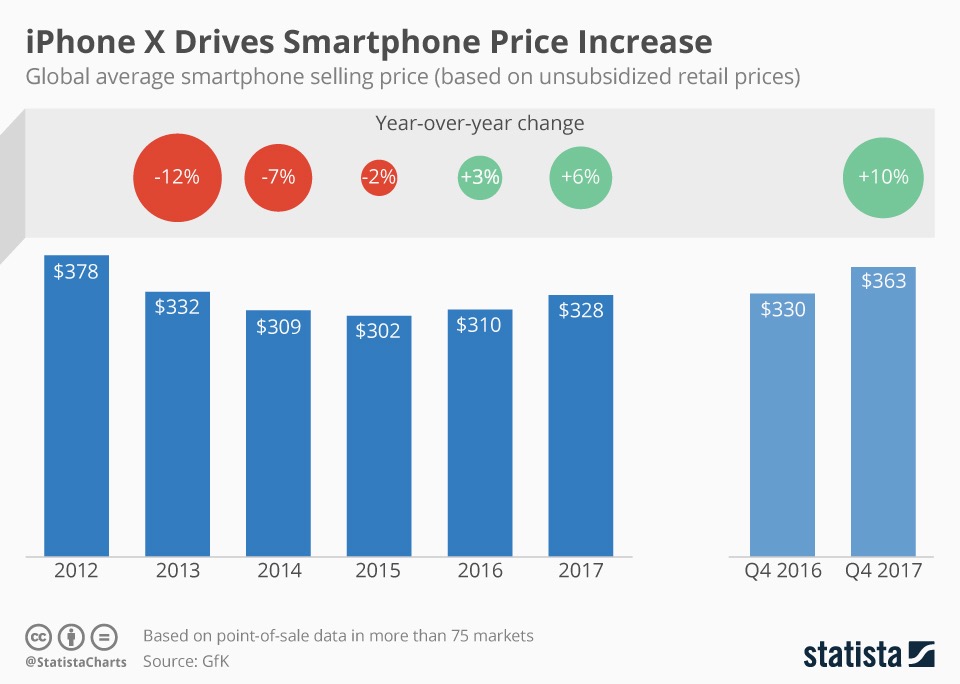
Over the past few months, smartphone buyers in Kenya may have noticed something unusual: many popular smartphones are getting more expensive.
Devices that previously sold for around KES 20,000–22,000 are now appearing closer to KES 23,000–25,000, even without any major upgrades.
This trend is not limited to Kenya. In fact, it is part of a global shift affecting the entire smartphone industry.
Several major factors are driving this price increase.
1️⃣ Global Memory Chip Shortage
One of the biggest reasons behind rising smartphone prices is the global shortage of memory chips, especially DRAM (RAM) and NAND flash storage.
Smartphones rely heavily on these components. However, global supply has tightened dramatically.
Industry analysts report that DRAM prices have increased sharply and NAND storage costs have also surged, pushing up the manufacturing cost of smartphones.
This shortage is largely driven by the massive growth of artificial intelligence infrastructure, which consumes large amounts of memory chips.
Because of this shift, chip manufacturers are prioritizing production for AI data centers instead of consumer devices, reducing supply for smartphones.
The result is clear: higher component costs for phone manufacturers.
2️⃣ AI Boom Is Competing for the Same Chips
Another global factor is the AI technology boom.
Large technology companies such as Microsoft, Google, and Meta are building massive AI data centers that require huge amounts of high-performance memory chips.
This demand is absorbing a large portion of the global semiconductor supply.
Industry experts say the surge in AI demand is pushing up chip prices and forcing smartphone companies to raise device prices worldwide.
In some cases, memory prices have risen dramatically, with certain NAND flash products jumping as much as 50% in a short period.
3️⃣ Entry-Level Phones Are Hit the Hardest
Budget smartphones are particularly affected by rising component costs.
For lower-priced phones, memory can account for up to 40% of the total manufacturing cost.
Because of this, even a small increase in memory prices can significantly affect retail prices.
Analysts predict that entry-level smartphones could increase by around $30 globally in 2026 due to these component cost pressures.
That explains why many affordable phones in Kenya are becoming more expensive.
4️⃣ Currency and Import Costs in Kenya
Kenya imports almost all smartphones from international manufacturers.
Because of this, local prices are affected by:
- Exchange rate fluctuations
- Import taxes
- Logistics costs
- Distributor margins
When global prices increase, the impact becomes even stronger in emerging markets like Kenya.
Even a small increase in manufacturing cost can translate into a much larger price increase at retail level.
5️⃣ Growing Smartphone Demand in Africa
Another factor pushing prices higher is strong demand across Africa.
In 2025, smartphone shipments across Africa reached 84.4 million units, representing a 13% year-on-year increase.
As more consumers transition from feature phones to smartphones, demand continues to grow.
Higher demand combined with limited component supply creates additional pressure on prices.
What This Means for Smartphone Buyers in Kenya
For consumers in Kenya, the global smartphone market is entering a period where:
- Budget phones may become more expensive
- Storage upgrades may cost more
- Entry-level models may disappear faster
Some manufacturers are also responding by:
- Removing low-storage versions
- Increasing base RAM configurations
- Adjusting pricing strategies.
Will Smartphone Prices Continue Rising?
Most analysts believe smartphone prices may remain high for the next 12–24 months.
The global memory supply shortage is expected to continue while semiconductor companies focus on producing components for AI infrastructure.
Unless production capacity increases significantly, smartphone manufacturers may continue adjusting prices upward.
Final Thoughts
The recent increase in smartphone prices in Kenya is not just a local issue.
It is part of a global technology industry shift driven by:
- Memory chip shortages
- Rapid growth in AI infrastructure
- Rising manufacturing costs
- Increasing demand for smartphones in emerging markets.
For consumers, this means that the era of ultra-cheap smartphones may be slowly ending, and prices may continue to fluctuate as the global supply chain evolves.
Author

admin@exmaple.com
Related posts
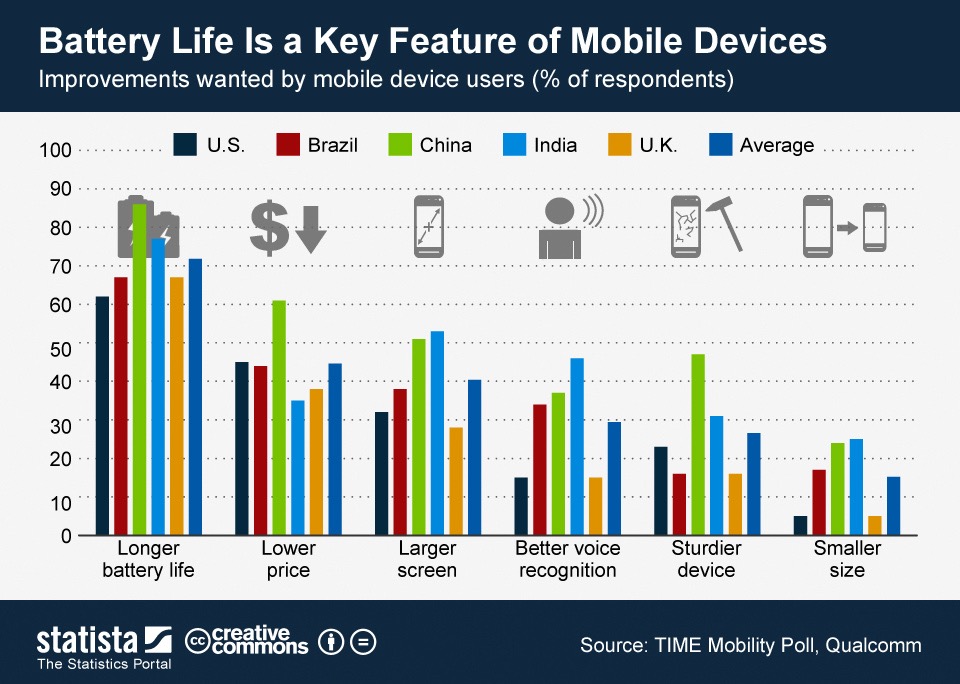
🔋 Best Battery Phones in Kenya (2026) – Smartphones with the Longest Battery Life
- 0
- 485 words
Best Battery Phones in Kenya (2026) Battery life has become one of the most important factors when choosing a smartphone in Kenya....